Farming Collaboration
The Role of Coordinated Activity in Achieving SI
Some desirable environmental benefits such as protecting natural resources or enhancing biodiversity can only be achieved through activities that cover large geographical areas. These require cooperation and coordination between land managers.
Collaboration between farmers also brings economic benefits. Machinery rings and abstractor groups already exist to help share resources between farms. In some cases, large investments, for example in anaerobic digestion, may only be economically feasible when the initial costs are shared amongst a group of farms.
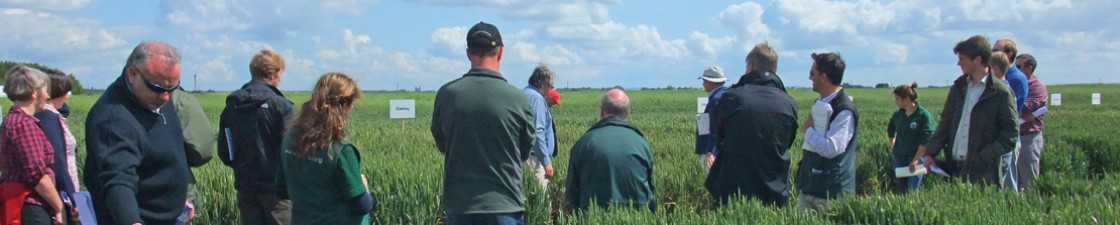
As well as physical coordination of farming activities, farmers can collaborate to their mutual advantage through information-sharing and learning.
Project 2 of the SIP explores when coordination is necessary to achieve these environmental, economic and social goals and how this can be encouraged. Specifically we are working with farmers and stakeholders to:
- Identify the SI goals that can only be achieved through coordinated activity
- Design collaborative activities that help achieve these goals
- Evaluate the practical benefits of these activities
- Understand the barriers to collaboration and how these can be overcome